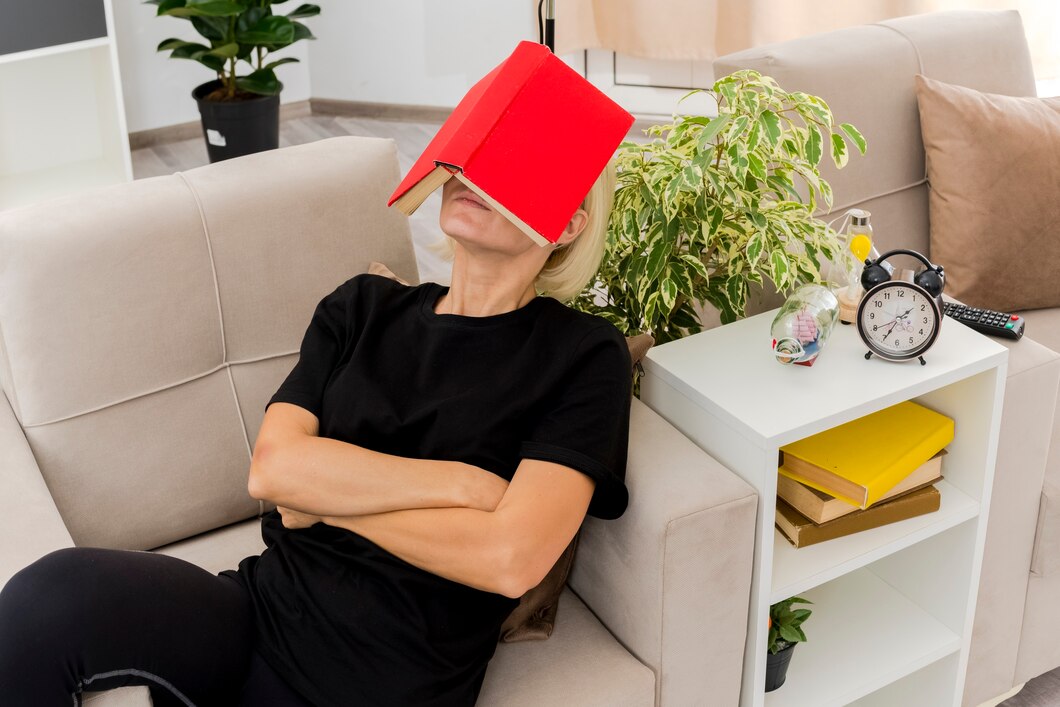
5 signs you might benefit from a mental health check-in (even if you feel fine)
When we think about health check-ups, we usually imagine blood tests, blood pressure readings, or dental cleanings. But when was the last time you checked in on your mental health — not because something felt wrong, but simply as a routine part of staying well?
Mental health exists on a spectrum. You don't have to be in crisis to benefit from a check-in. In fact, regular mental health screenings can help you catch small issues before they become big problems, build emotional resilience, and improve your overall quality of life.
Here are five subtle signs that it might be time for a mental health check-in — even if you think you're "fine."
1. You feel tired all the time (even after sleeping)
Chronic fatigue isn't just physical. Mental and emotional exhaustion can be just as draining. If you're waking up tired, struggling to get out of bed, or feeling depleted by midday despite getting 7–8 hours of sleep, your mental health might be sending you a signal.
Depression, anxiety, and chronic stress all have fatigue as a core symptom. A mental health check-in can help you identify whether your tiredness has psychological roots — and what to do about it.
2. Little things irritate you more than usual
We all have bad days. But if you've noticed that minor annoyances — a slow internet connection, a messy kitchen, a colleague's harmless comment — trigger outsized irritation or anger, it could be a sign of accumulated stress.
Increased irritability often indicates that your emotional reserves are running low. A mental health professional can help you explore what's underneath that short fuse and teach you regulation strategies.
3. You've lost interest in things you used to enjoy
Anhedonia — the reduced ability to feel pleasure — is a hallmark sign of depression. Maybe you used to love cooking, hiking, or meeting friends for coffee, but lately, nothing sounds appealing. You're not sad, exactly. You're just... flat.
This loss of interest isn't laziness. It's a biological change in your brain's reward system. A mental health check-in can help determine whether you're experiencing a temporary slump or something that needs more support.
4. Your sleep or appetite has changed noticeably
Sleep and appetite are two of the most sensitive barometers of mental well-being. Have you started waking up at 3 a.m. unable to fall back asleep? Sleeping 10+ hours and still feeling exhausted? Losing your appetite or eating more than usual without physical cause?
These changes often accompany mood disorders. Even if you don't feel "depressed" or "anxious," your body may be telling you something important. A check-in can help connect the dots.
5. You're using alcohol, food, or screens to escape
We all have coping mechanisms. But if you've noticed that you're drinking more wine in the evenings, scrolling social media for hours to avoid going to bed, or using food to numb uncomfortable feelings, it's worth exploring why.
These behaviours aren't character flaws — they're often attempts to self-regulate when internal resources are stretched thin. A mental health professional can help you develop healthier strategies and address the root causes.
What does a mental health check-in actually look like?
- A single session with a psychologist or counsellor to assess how you're doing
- Completing a validated screening questionnaire (your GP can provide one)
- A confidential chat with an employee assistance program (EAP) counsellor
- Using a mental health app that tracks mood and offers guided check-ins
- A conversation with a trusted friend or family member followed by professional support if needed
Think of it like a dental cleaning — you don't wait for a toothache to see the dentist. The same principle applies to your mind.
When to seek immediate help
If you're having thoughts of harming yourself or others, or if you feel completely overwhelmed and unable to function, please reach out immediately to a crisis line or emergency services. A mental health check-in can wait — urgent support cannot.
The bottom line
You don't have to be in crisis to deserve care. Mental health check-ins are a form of self-respect, not self-indulgence. By paying attention to subtle signs early, you can build resilience, prevent burnout, and live a fuller, more connected life.
Your mind matters — even when you think you're fine.